Microbes in Approved Pesticides

In Washington State, the pesticides that may be applied to cannabis crops are limited to those approved by the WSLCB and the WSDA. The repository for data on these pesticides is the PICOL database. The PICOL database is a one stop shop to find out what active ingredients, brand names, and more, are ingredients in the various pesticides available.
Pesticide approval does not mean there is zero risk to your crops as a farmer. Not all active ingredients are created equal, and some can cause failure by increasing microbial counts and thus exceeding the currently allowed thresholds set by the WSLCB.
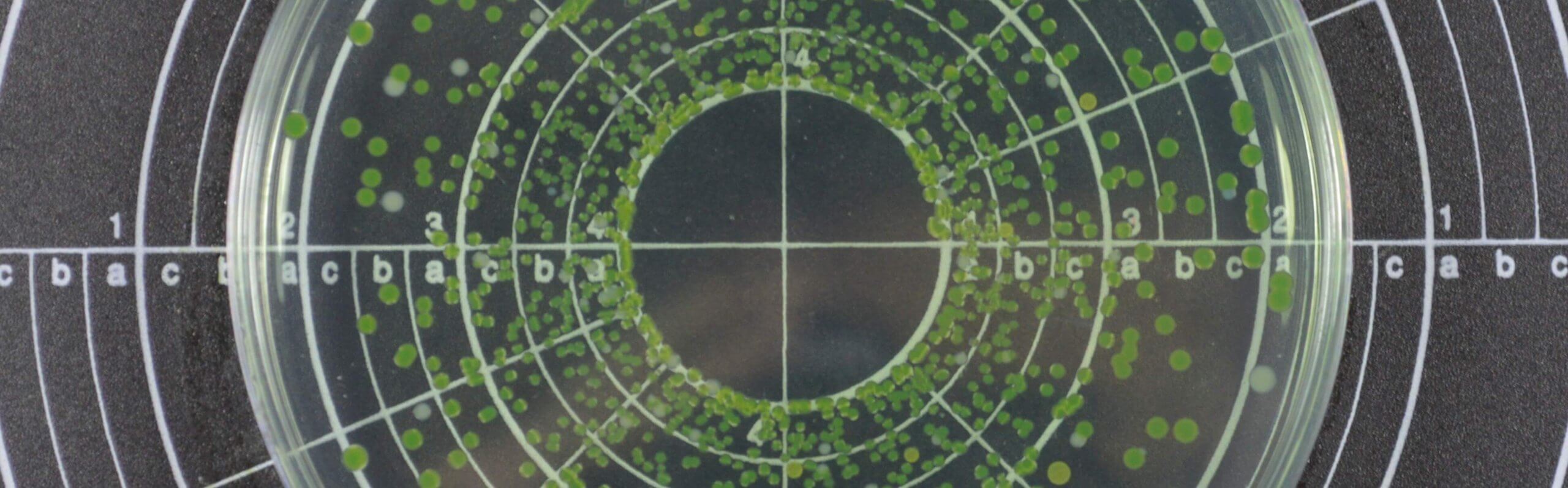
We have already seen examples of microbial failures caused by these types of products. The most recent example was a customer with a very clean history who started to fail micro. On investigation it was determined that they were storing their Neem Oil at too high a temperature. When we analysed the oil from the bottle, we found aerobic, fungal and bile colonies in abundance.
We’ve done the hard work for you, and below you can find a list of approved pesticides that use live microbes as their active ingredient. If you choose to use any of the compounds listed below, be sure to take precautions to prevent any viable bacteria from causing your crop to fail testing. Precautions include: making sure your soil doesn’t come into contact with your foliage during harvest; avoiding foliar spraying approaching and during flowering phases; ensuring that your foliar spray does not become contaminated with microbes; and shielding foliage if applying a liquid formulation to soil. Always ensure the directions on labels are followed.